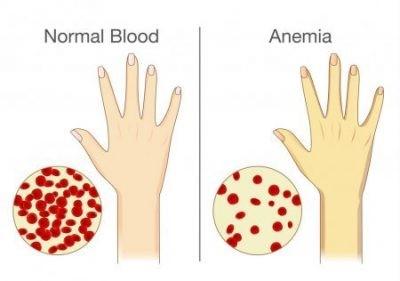
Anemia & Nutrition
Anemia is a condition in which the number of red blood cells or the hemoglobin concentration within them is lower than normal. Hemoglobin is needed to carry oxygen and if you have too few or abnormal red blood cells, or not enough hemoglobin, there will be a decreased capacity of the blood to carry oxygen to the body’s tissues. This results in symptoms such as fatigue, weakness, dizziness and shortness of breath, difficulties with memory & concentration, lightheartedness, low energy levels, pale skin.
The optimal hemoglobin concentration needed to meet physiologic needs varies by age, sex, elevation of residence, smoking habits and pregnancy status. The most common causes of anemia include nutritional deficiencies, particularly iron deficiency, though deficiencies in protein, folate, vitamins B12 and A are also important causes; haemoglobinopathies; and infectious diseases. Other causes of anemia include GI disorder that causes chronic blood loss, thyroid disorder, lead toxicity, alcoholism, vitamin deficiency, medications like NSAIDs, Aspirin, Hydrocortisone, valproic acid.
Types of nutritional anemia
Iron Deficiency Anemia- Red blood cells contain hemoglobin which is made of iron. Deficiency of iron in body causes difficulty in making hemoglobin & causes iron deficiency anemia.
Symptoms
- pale skin
- tinnitus
- changes in the sense of taste
- itchiness
- a desire to eat ice
- sores or ulcers at the corners of their mouth
- a sore tongue
- hair loss
- spoon-shaped fingernails and toenails
- difficulty swallowing
- depression
- missed menstruation in females during their reproductive years
Vitamin deficiency anemia- Also known as megaloblastic anemia, that occurs due to deficiency of either vitamin B12 or folate. In this anemia, the bone marrow produces unusually large, structurally abnormal, immature red blood cells (megaloblasts).
Symptoms
- a feeling of tingling, or pins and needles
- a sore, red tongue
- mouth ulcers
- muscle weakness
- fatigue and a lack of energy
- visual disturbances
- depression
- confusion and other problems with concentration, thinking, and memory
Long-term complications include:
- infertility, which is usually reversible
- complications during pregnancy
- congenital disorders
- nervous system disorders, which may be permanent
- heart problems, including heart failure
Foods to fight against anemia
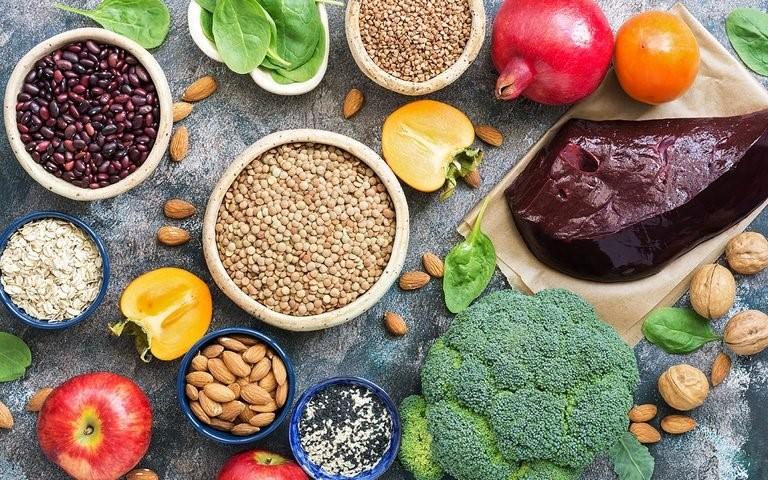
Dietary source of iron- meat, liver, sea food, egg, tofu, beans, dark green & green leafy vegetable, nuts & seeds
Dietary source of B12- meat, fish, egg, milk, cheese, fermented food
Dietary source of folate- meat, liver, milk, whole grains, beans, peas & chickpeas, dark green & green leafy vegetable, banana
Other important considerations
- Don’t eat iron-rich foods with foods or beverages that block iron absorption.These include coffee or tea, eggs, and foods high in calcium like dairy products.
- Eat iron-rich foods with vitamin C-rich foods, such as oranges, tomatoes, or strawberries, to improve absorption.
- Eat iron-rich foods with foods that contain beta carotene, such as apricots, red peppers, and beets, to improve absorption.
- Eat a variety of heme and nonheme iron foodsthroughout the day to up your iron intake.
- Eat heme and nonheme iron foods togetherwhenever possible to increase iron absorption.
- Add foods rich in folate and vitamin B12 to support red blood cell production.