Gastritis & Nutrition
What is Gastritis?
Gastritis is a digestive condition that involves damage & inflammation of gastric mucosa, the stomach lining & GI tract. Usually a mucous-lined barrier protects the stomach from digestive acids. In gastritis, this barrier becomes weakened, and your digestive juices damage and inflame the lining. Gastritis may have a sudden onset or may develop more slowly over a period of time Gastritis can be acute or chronic. For most people gastritis is not serious & improves quickly but for those who neglect, can even produce ulcers, complications like anemia & increase the risk of cancers.

Facts about Gastritis
- Many people report worsened gastritis symptoms when consuming foods that are spicy, very hot, naturally acidic (like tomatoes and oranges, for example) and hard to digest because they promote inflammation or the release of stomach acids.
- Risk factors for gastritis include eating a poor diet, nutrient deficiencies, smoking, being overweight, drinking high amounts of alcohol, and having a history of autoimmune disorders or viruses.
- While it’s common for people with gastritis to rely on taking over-the-counter antacids or antibiotics to treat symptoms, these can cause complications long term (like changes in electrolyte levels, constipation and diarrhea) and don’t solve the underlying problem of inflammation.
Gastritis can often be treated & even reversed through healthy lifestyle changes, beginning with the diet.
Food that may worsen during episodes of gastritis
Reaction with food differs in each person. It is better to identify which of these below foods can worsen the symptoms and avoid it till gastritis is better.
- Acidic beverages- including coffee (both caffeinated and decaffeinated), carbonated beverages, and fruit juice with citric acid.
- Alcohol
- Caffeine - coffee, soft drinks, chocolate, and tea.
- Fried food
- Processed snack food – chips, cookies, doughnuts, cakes etc.
- Red meat
- Fast food
- Spicy & strong flavored food
- Some raw vegetables; cruciferous vegetables
- Consuming fluid with meals – separate your fluids from your meals by 30 minutes.
- Possibly milk and dairy product.
Ways to manage symptoms
- Eat smaller frequent meals, eat slowly & chew well rather than gulping it quickly.
- Avoid eating too close to bedtime. Try to keep the gap of at least 3 hours between dinner & bedtime.
- Do not lie down immediately after meals.
- Always have a healthy balanced food rather than processed & packaged food.
- Drink adequate fluid, at least 2-3 liters per day. Avoid taking water with meals, drink it either 30 minutes before or after meals.
- Try reducing stress as stress can trigger the release of stomach acid & raise inflammation.
- Quit smoking & lower toxin exposure.
- Adopt a healthy cooking method such as steaming, stir frying, pressure cooking, microwaving, grilling rather than frying, deep frying, using heavy fat or creamy sauce.
- If you are overweight or obese, try losing weight adopting healthy ways rather than following fad diets.
Foods that can overcome Gastritis
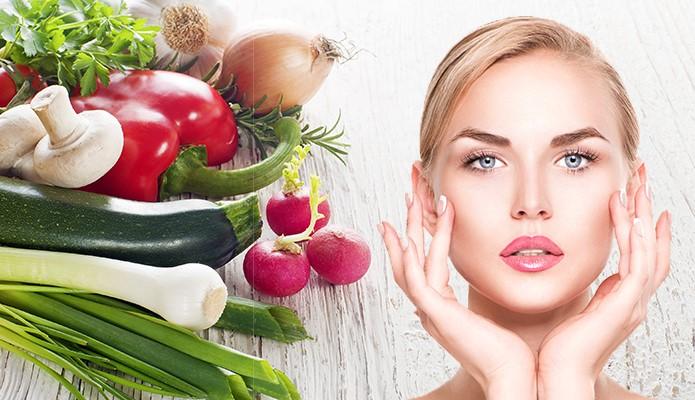
- High antioxidant food, are rich in vitamins, flavonoids. Example: fresh fruits & veggies, herbs & spices- berries, asparagus, leafy greens, squash, beans, onion, garlic, bell peppers, fennel, turmeric, ginger, cumin, thyme seeds.
- Probiotic food like yoghurt, Gundruk, Sinki, Kombucha, Kinema, Natto, etc
- Foods high in fibers like whole grain cereals, soaked &/ sprouted nuts, seeds, legumes.
- Healthy fats & proteins such as vegetable oil, avocado, nuts & seeds, ghee, lean meat, fish.