Healthy Lifestyle
The healthy & happy body is worth the effort’
We are living in an era where most of us have a sedentary & stressful life. Every one of us have imagined a life that is full of happiness, success & a good health. We want each day to be more happier than the day before, stress free, and of course the most important in a good state of physical & mental health. A Healthier life is not an easy earn, it comes with a holistic approach considering physical, emotional, social as well as spiritual wellbeing.
Why a “Healthier Lifestyle”?
The best investment you have ever make is your own health’.
- Physical & emotional fitness
- Improves immunity
- Fewer health problem
- Thrives positive aura
- Helps look younger
- Saves money
- Improves confidence, minimizes stress
- Assists to be the king of your own world
- Overall, achieve a quality life
Tips for a ‘Healthier Lifestyle’
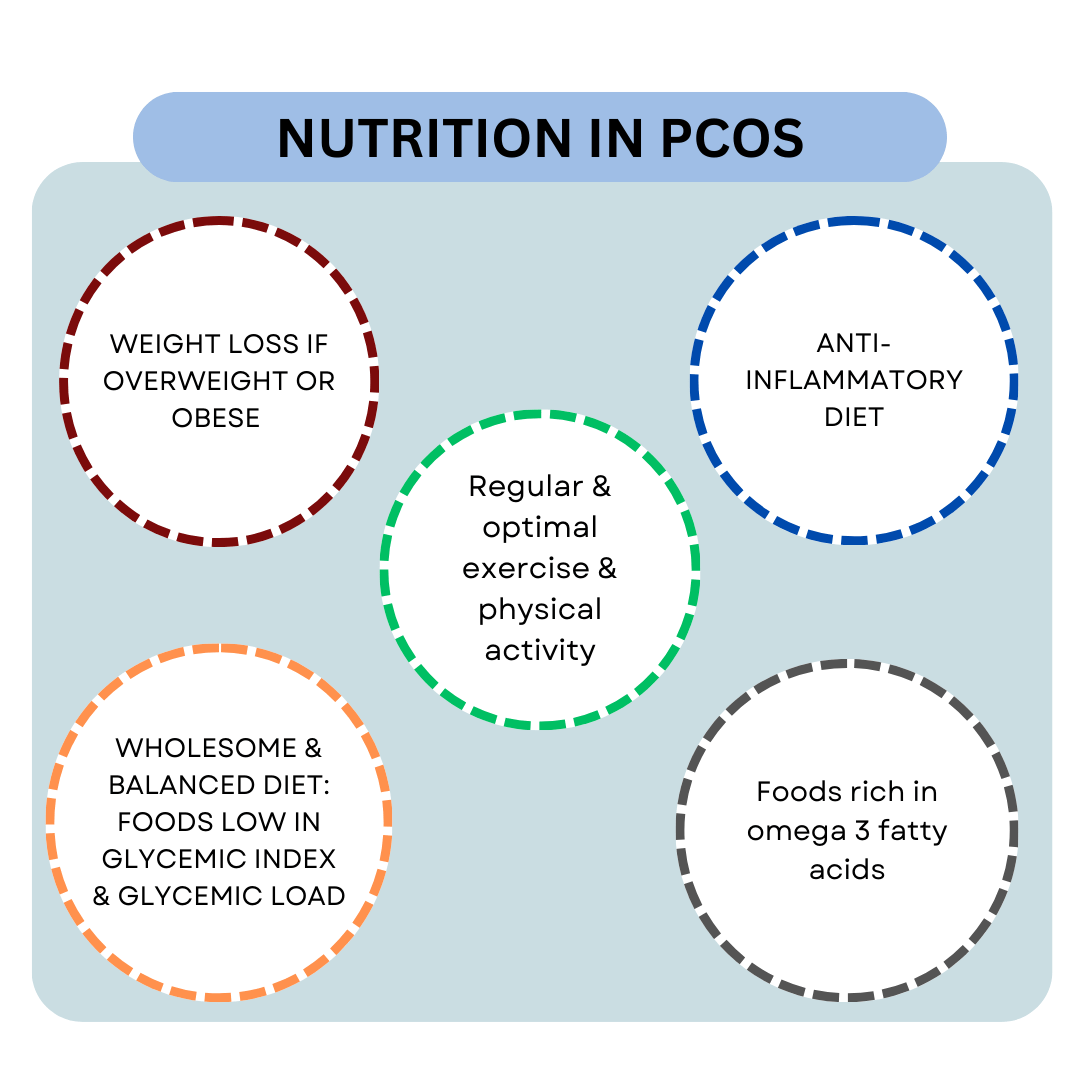
Balanced Nutrition
‘Eating healthy & balanced is not a diet, it’s a Lifestyle’

Each nutrient has its own role & function in our body. None of them can be neglected for a Healthier Lifestyle. But saying that it is necessary to determine the right quantity & proportion on individual basis & thus the right quantity & proportion make food balanced.
- Incorporate foods from all food groups daily in a right quantity & proportion depending on your body’s requirement: Cereals; legumes & pulses; fruits & vegetables; dairy; egg, meat & fish; nuts & seeds; fats & oil.
- Fix your meal times and stick to it. Ideally, you should eat 3 major meals and 2 snacks in a day, with a 2-3 hours gap between each, unless otherwise instructed by your physician.
- Try to get the major nutrients from each meal. A snack with a protein-carb-vitamin balance is healthier and more satiating than a carb-sugar based snack.
- Limit your fat intake to the percentage required & choose healthy fats.
- Have the necessary starch and healthy fats, so you don’t lose out on energy.
- Watch your sugar and salt consumption. Limit the amounts of sugary snacks, candies, sugar sweetened beverages, high sodium condiments (ex-Soy sauce), table salt, salty snacks.
- Replace processed, pre-packaged, fried food with fruits, nuts, and fresh food.
- Have a small, frequent meals rather than a large portion at a time.
- Eat slowly, chew your food very well & eat in a relaxed environment.
- Develop a mindful eating habits rather than a mindless eating & enjoy every bite of the food.
- Make the habits of checking label of the food you are buying to know the ingredients it contains.
Adequate Fluid
‘Drink your way to better health. Drink water.’

Adequate fluid each day is crucial for many important reasons: regulate body temperature, keep joints lubricated, prevent infections, digests food, deliver nutrients to cells, and keep organs functioning properly. Being well-hydrated also improves sleep quality, cognition, and mood. The most important is adequate fluid helps in detoxifying body so that the essential nutrients can work efficiently in the body.
Simply waiting for the sensation of thirst is not a good enough sign of a need to drink- by the time we feel thirsty our body is already dehydrated and potentially suffering some of the effects.
- Include at least 3 liters of fluid in a day.
- Fluids in any form like water, fruit juices, vegetable juices, milk, soups, smoothie, tea or coffee, etc. is acceptable.
- Make sure to get more than half of your fluid requirement from safe water.
- Beside water, choose unsweetened beverages, non-carbonated drinks. It is better to avoid >2 cups of tea or coffee in a day, too much sweetened beverages.
- Always start your day with glass of plain water.
- Do not drink water with your meals, drink either 30-45 minutes before or after your meals.
Regular exercise & activeness
‘Sweat is just fat crying.’

Regular exercise & daily activity is crucial for creating a ‘Healthier’ you. Regular exercise & activeness in a whole day can help develop a healthier state of mind through minimizing stress. Make sure you are active throughout the day beside your daily routine of exercise.
- Aim for at least 30 minutes to 1 hour of physical exercise at least 5 days a week. Your choice of exercise can be of any form like yoga, walking, aerobic exercise, strengthening, stretching, etc.
- Try to find the time for some regular, vigorous exercise for extra health and fitness benefits.
- See everyday activities as a good opportunity to be active, it can come from small changes made throughout the day like getting off a bus earlier & walking the rest of the way, or walking the children to school.
- Minimize the amount of time spent in prolonged sitting and break up long periods of sitting as often as possible. This can be done by doing own work self like printing papers by own, getting a glass of water, getting out of sit to say ‘hello’ to one of your colleague.
- Make sure to get up from sit every 2 hours of sitting down and do some stretching.
- Use the step-counter to watch out total daily steps. Aim for at least 5,000-6,000 a day.
Sound sleep
‘Make a sleep hygiene habit’.

A good night sleep is as important as balanced diet & regular exercise. Both the quality & quantity of sleep does matter. A good night sleep helps the body to manage the daily stress and improves the physical as well as mental performance & function.
- At least 6-8 hours of sound sleep is necessary daily.
- Establish an optimal sleep pattern. Go to bed & rise up at the same time everyday to maintain the sleep cycle rhythm.
- Finish your last meal 2.5-3 hours before bed time. Snacks before bedtime should be light and limit fluid intake.
- Stay away from caffeine, nicotine and alcohol 4-6 hours before sleep. Adjust the temperature, light and noise levels to your needs.
- Avoid exposure to artificial light such as TV, phone, laptop 30 minutes before bed time. Better utilize this time by reading a book or journal writing or conversation with family members.
- Do not try hard to fall asleep; refrain from 'clock watching'. State to yourself that 'sleep will come when it is ready'.
- If you are not asleep within 20 minutes after getting into bed, get out of bed and sit and relax in another room in dim-light or read something till you are sleepy again.
- Do not nap during the day & do not take recovery sleep to compensate for a previous bad night.
- Set up a work activity deadline at least 60 minutes prior to bedtime.
Stress management
‘The body achieves what mind believes.’

Effective stress management helps you break the hold stress has on your life, so you can be ‘Healthier’, and more productive. The ultimate goal is a balanced life, with time for work, relationships, relaxation, and fun—and the resilience to hold up under pressure and meet challenges head on. But stress management is not one-size-fits-all. That’s why it’s important to experiment and find out what works best for you.
- Identify the source of stress in life, look closely at your habits, attitude & excuses.
- Accept the responsibilities for the role you play in creating & maintaining things or scnerio.
- Learn to say ‘No’. Know your limit, stick to them & try to distinguish between ‘should’ & ‘must’.
- Create a balanced schedule & prioritize tasks.
- Accept things that you can’t change & learn to forgive.
- Indulge into your passion like listening music, dancing, connecting with friends, take your dog for a walk, journal writing, cycling, travelling, swimming.
- Do regular physical exercise for at least 30 mins a day. Yoga, meditation, deep breathing can help relaxation.
- Prefer balanced diet, reduce caffeine & sugar, avoid alcohol & smoking.
- Get adequate sound sleep.
Good attitude and positiveness
‘Your energy introduces you before you even speak.’

There’s a direct correlation between a positive attitude and better relationships, superior health, and greater success. Personality traits like optimism and pessimism can affect many areas of your health and well-being. The positive thinking that typically comes with optimism is a key part of effective stress management. A positive attitude can boost your energy, heighten your inner strength, inspire others, and garner the fortitude to meet difficult challenges. Positive thinking can increase your life span, decrease depression, reduce levels of distress, offer better psychological and physical well-being, and enable you to cope better during hardships and times of stress.
- Positive thinking often starts with self-talk. Self-talk is the endless stream of unspoken thoughts that run through your head every day. These automatic thoughts can be positive or negative. Some of your self-talk comes from logic and reason. Other self-talk may arise from misconceptions that you create because of lack of information.
- Surround yourself with positive people who are supportive, and who energize you. Remember, if you get too close to a drowning victim, he may take you down with him. Pick a positive person instead.
- Be positive yourself. If you don’t want to be surrounded by negative people, what makes you think others do? Learn to master your own thoughts.
- Control your negative thinking. This can be accomplished in the following ways:
- See the glass as half full rather than half empty.
- Anticipate the best outcome.
- Stay the middle ground. Don’t view everything in extremes — as either fantastic or a catastrophe. This will help you reduce your highs and lows.
- Consciously resist negative thinking. Be cognizant of and mentally avoid negative thinking. This will help you modify your behavior.
- Be nice to yourself. Unfortunately, some people say the meanest things to themselves. If you criticize yourself long enough, you’ll start to believe it. This negativity can drag you down over time. It may be time to fire the critic and hire the advocate.
- Set realistic, achievable goals. There’s nothing wrong with setting a high bar — unless you beat yourself up for not achieving your goals. The key is to build confidence by setting realistic goals and by hitting a lot of singles rather than swinging for the fences.
- Keep it in perspective. Life is all about prioritizing the things that matter most in your life and focusing your efforts in these areas. This means that trivial things that go wrong every day shouldn’t get you down. Learn to address or ignore small issues and move on. It’s time to sweat the big stuff.
- Turn challenges into opportunities. Instead of letting challenges overwhelm you, turn them into opportunities. (Rather than hitting the wall, climb over it or go around.)
- Count your blessings. Be grateful and give thanks for the special things in your life rather than taking them for granted. Some people do this by giving thanks around the dinner table, keeping a written journal, or posting one special item each day on Facebook. Remember, some of the greatest possessions in life aren’t material. Take every opportunity to make a wonderful new memory.
How to get into ‘Healthier lifestyle’?
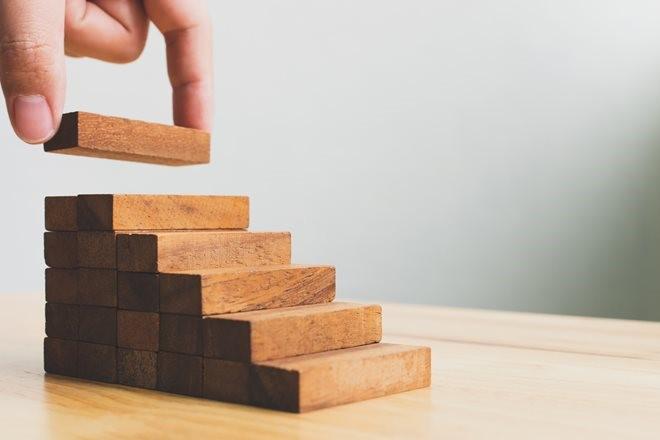
‘The journey of a thousand miles begins with one step’
- Change just one thing at a time & see the benefit- see the benefit that come from doing exercise.
- Make small changes rather than pushing yourself beyond your limit-going for a regular walk instead of pushing yourself to run 5 Km every day.
- Be flexible so that you can adapt to the changes you made- if you decide to cut down sugar, cut down from two teaspoons to one & half, then one & so on.
- Build on what you already do- if you sometimes buy fruit to eat, then try buying more instead of biscuits & chips.