Intermittent Fasting
Intermittent fasting is an eating pattern that involves regular, short-term fasts or periods of minimal or no food consumption. Many diets focus on ‘what’ to eat, but intermittent fasting is all about ‘when’ you eat. It’s not a diet plan, it’s just a conscious decision to skip meals, like breakfast or dinner on purpose. Fasting for a certain number of hours each day or eating just one meal a couple days a week, can help your body burn fat. But body can only lose so much fat till it’s detrimental for your health.
Methods of intermittent fasting
- The 16:8 method- eating for eight hours and fasting for 16 hours.
- The 5:2 method- eating regularly five days a week & for the other two days, you reduce your calorie intake to one-quarter of your daily needs i.e. one 500–600 calorie meal.
- Eat Stop Eat- identifying one or two non-consecutive days per week during which you abstain from eating, or fast for a 24-hour period.
- Alternate-day fasting- you fast every other day & eat on the non-fasting days. Some versions of this diet embrace a “modified” fasting strategy that involves eating around 500 calories on fasting days.
All methods can be effective, but figuring out which one works best depends on the individual. It can take two to four weeks before the body becomes accustomed to intermittent fasting. You might feel hungry or cranky while you’re getting used to the new routine. But who make it through the adjustment period tend to stick with the plan, because they notice they feel better. It requires a lot of willpower and may lead to binging and over-consumption later on. It may also lead to disordered eating patterns.
There are several things you need to keep in mind if you want to lose weight with intermittent fasting:
- Food quality: The food you eat are still important. Try to eat mostly wholesome foods instead of processed, packaged, fried food.
- Calories still count: Try to eat normally during the non-fasting periods, not so much that you compensate for the calories you missed when fasting.
- Consistency: Just as with any other weight loss method, you need to stick with it for an extended period if you want it to work.
- Patience: It can take your body some time to adapt to an intermittent fasting protocol. Try to be consistent with your meal schedule, and it’ll get easier.
What to eat while intermittent fasting?
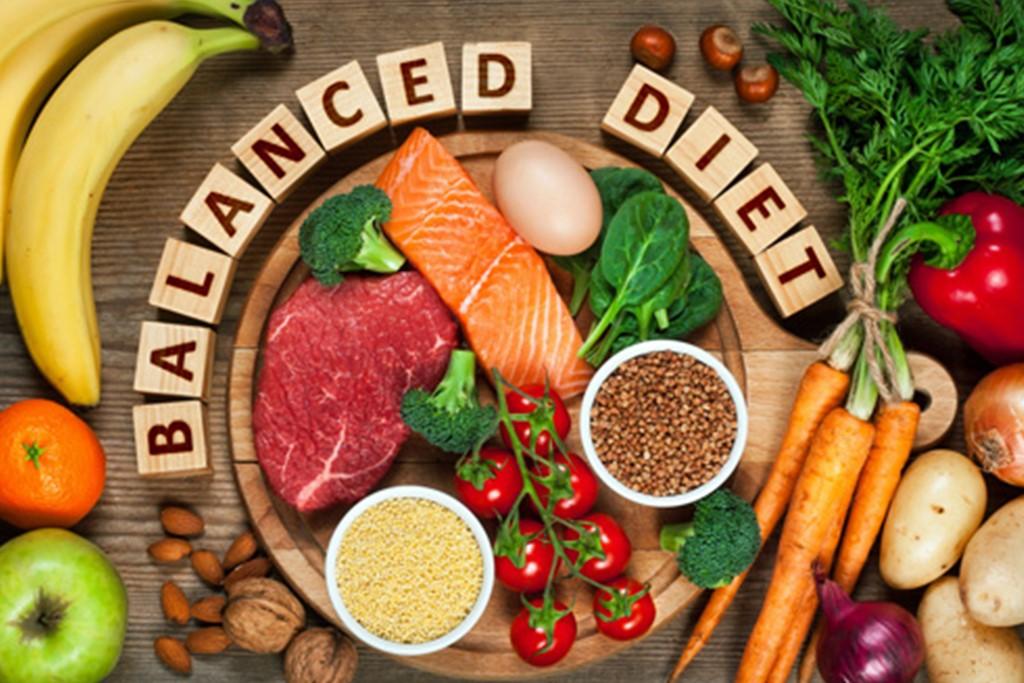
- Be sure to eat a balanced diet comprising fruits, vegetables, whole grains, nuts, healthy fats, and protein to maximize the potential health benefits of this diet.
- It’s worth mentioning that eating “normally” on full-calorie days does not give you a free pass to eat whatever you want.
- You’re not likely to lose weight or get healthier if you pack your feeding times with high-calorie junk food, super-sized fried items and treats.
- During the times when you’re not eating, water and zero-calorie beverages such as black coffee and tea are permitted.
- Adoption of mindful eating practices is necessary to enjoy the food eaten.
- Longer periods without food, such as 24, 36, 48 and 72-hour fasting periods, are not necessarily better and may be dangerous. Going too long without eating might actually encourage your body to start storing more fat in response to starvation.
But intermittent fasting isn’t for everyone. Before you try intermittent fasting (or any diet), you should check in with your primary care practitioner first. Some people should steer clear of trying intermittent fasting:
Who should NOT fast?
- Underweight (BMI < 18.5)
- Those who have an eating disorder like anorexia.
- Pregnant & breastfeeding women
- A child under 18 years
You can probably fast but may need medical supervision under following conditions:
Purported health benefits
- Weight and body fat loss
- Increased fat burning
- Lowered blood insulin and sugar levels
- Reversal of type 2 diabetes
- Improved mental clarity and concentration
- Increased energy
- Increased growth hormone, at least in the short term
- An improved blood cholesterol profile
- Longer life
- Activation of cellular cleansing by stimulating autophagy
- Reduction of inflammation
Additional tips:
- Drink adequate water.
- Stay busy.
- Ride out the hunger waves.
- Give yourself one month to see if intermittent fasting (such as 16:8) is a good fit for you.
- Follow a healthy balanced diet containing adequate protein & fiber between fasting periods. This reduces hunger and makes intermittent fasting easier.
- Don’t binge after fasting
How to break fast?
- The longer the fast, the more gentle you might have to be.
- Eating too large a meal after fasting can give you a stomach ache. While this is hardly serious, people usually learn quickly to eat as normally as possible after a fast.
Side effects may include:
- Hunger
- Fatigue
- Insomnia
- Nausea
- Headaches