‘Junk Food’: Is it worth to treat food as a ‘junk’?
The word ‘Junk’ means something worthless or poor quality. Everywhere in the world we hear that ‘junk food’ is not good for health and every health professional suggests to avoid these food items.
Saying that ‘let the food be thy medicine & medicine be thy food’, ‘food’ does not deserve to be specified as ‘junk’ instead it is better to define it as ‘unhealthy food’ because there are always the ways to modify unhealthy foods to a healthy option.
‘Food’: Vice or Virtue?
What is an unhealthy food?
The definition of unhealthy food can differ from individual on the basis of frequency & quantity of consumption according to age, body composition, disease.
Generally, the packaged foods that are high in saturated fat, trans fat, sugar, salt are considered as unhealthy food as they contribute only to calories and no other nutrients. The intake of these should not exceed the recommended amount. So, it is better to look after the ‘% daily value (% DV)’ of each packaged food and determine whether it is nutrient dense or only calorie dense or unhealthy items. The ‘% DV ≤5%’ is considered as less of a nutrient per serving & ‘% DV ≥20%’ is considered as more of a nutrient per serving.
Eating healthy doesn’t have to be as big a fuss as it’s made out to be. It involves making small but steady right choices in food, and that doesn’t just include choosing what to eat, but also choosing the way you prepare your food, or having it prepared the right way. Developing healthy food habits doesn’t mean that you have to do away with your favorite fast foods and grub entirely. You can just restrict the amount of fast foods you are consuming to a bare minimum and even when you do eat them, there are tricks to make them healthy.
How to make your favorite food healthy?
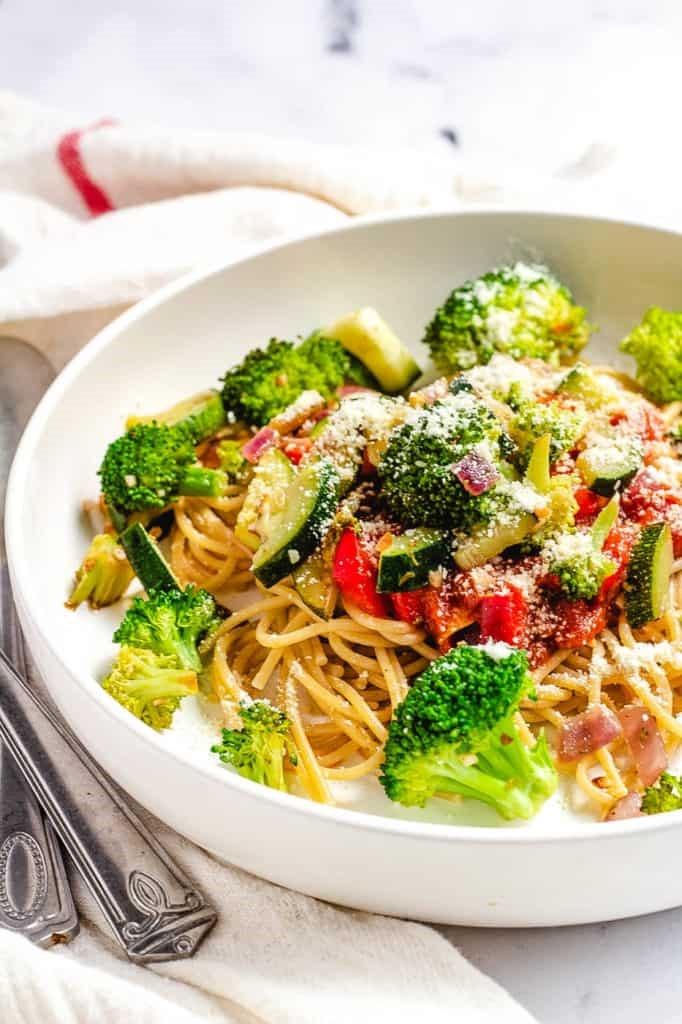
- Use an alternative recipe or replace with vegetables, nuts, whole food. Most of our favorite food simply contains a few ingredients that are higher than our daily recommendations. Simply replacing some ingredients can be a better option. Examples; pizza with a crust made of whole wheat flour & healthy topping like vegetables, fish, prawns, wheat flour & nuts in pastries & baked goods, incorporating veggies in noodles, using avocado instead of mayonnaise.
- Replace salt with herbs & spices.
- Bake your fries.
- Know when to treat yourself, and when your craving can be satiated with something inherently healthy. Example; when you crave for chocolate, take only a small piece of it and try raw nuts at the same time.
- Eat regular balanced meals & snack appropriately. Skipping meals can lead to overeating-you feel really hungry, so of course you’re going to go for the fast food & processed packaged foods. This is not good to do all the time! Also, snacking is important. Nibble on fruit, veggies, or nuts throughout the day to help curb unhealthy cravings and overeating potential.
- Know that it’s okay to treat yourself occasionally with your favorite food. Though, this doesn’t sound like a way to make unhealthier choices healthy, but psychologically speaking, it is. The thought of completely cutting off your unhealthy treats make you crave them even more, & increases the chances of eating unhealthy options more often. Eating treat-food in moderation allows you to still enjoy it but be a healthier, happier person in the end.