PCOS & Nutrition
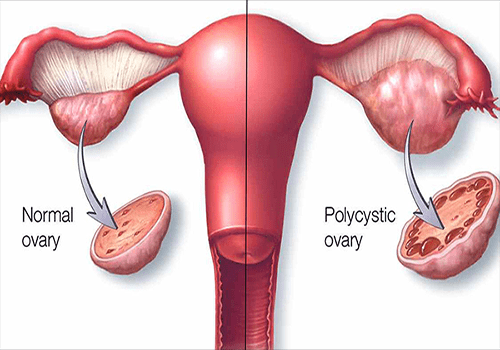
Polycystic ovary syndrome (PCOS) is the most common endocrine system disorder in women of reproductive age, which is characterized by irregular menstruation, polycystic ovaries and hyperandrogenism, insulin resistance, and obesity.
Symptoms
Includes the endocrine system and reproductive signs
- Amenorrhea or oligomenorrhea: Infrequent menstrual periods, no menstrual periods and/or irregular bleeding
- Hirsutism: Increased hair growth on the face, chest, stomach, back, thumbs or toes
- Obesity or weight gain especially in abdominal region
- Acne, oily skin & dandruff
- Male pattern hair loss: thinning hair on head
- Reproductive disorders, infertility due to lack of ovulation
- Pelvic pain
This syndrome also increases the risk of diseases like type 2 diabetes, hypertension, lipid disorders, cardiovascular diseases, depression, anxiety and malignancies, such as breast and endometrial cancer.
Nutritional Management

Insulin resistance plays the central role in the pathogenesis of PCOS. In the condition of insulin resistant, insulin produced are not used effectively in the body & hence the body may try to pump out high levels of insulin in an effort to keep blood sugar levels normal. Too-high levels of insulin can cause ovaries to produce more androgens, such as testosterones.
Insulin resistance may also be caused by having a body mass index above the normal range. Insulin resistance can make it harder to lose weight, which is why female with PCOS often experience this issue. Female with PCOS may suffer from more mood disorders due to an imbalance in hormones or perhaps from the daily struggles of living with a frustrating condition.
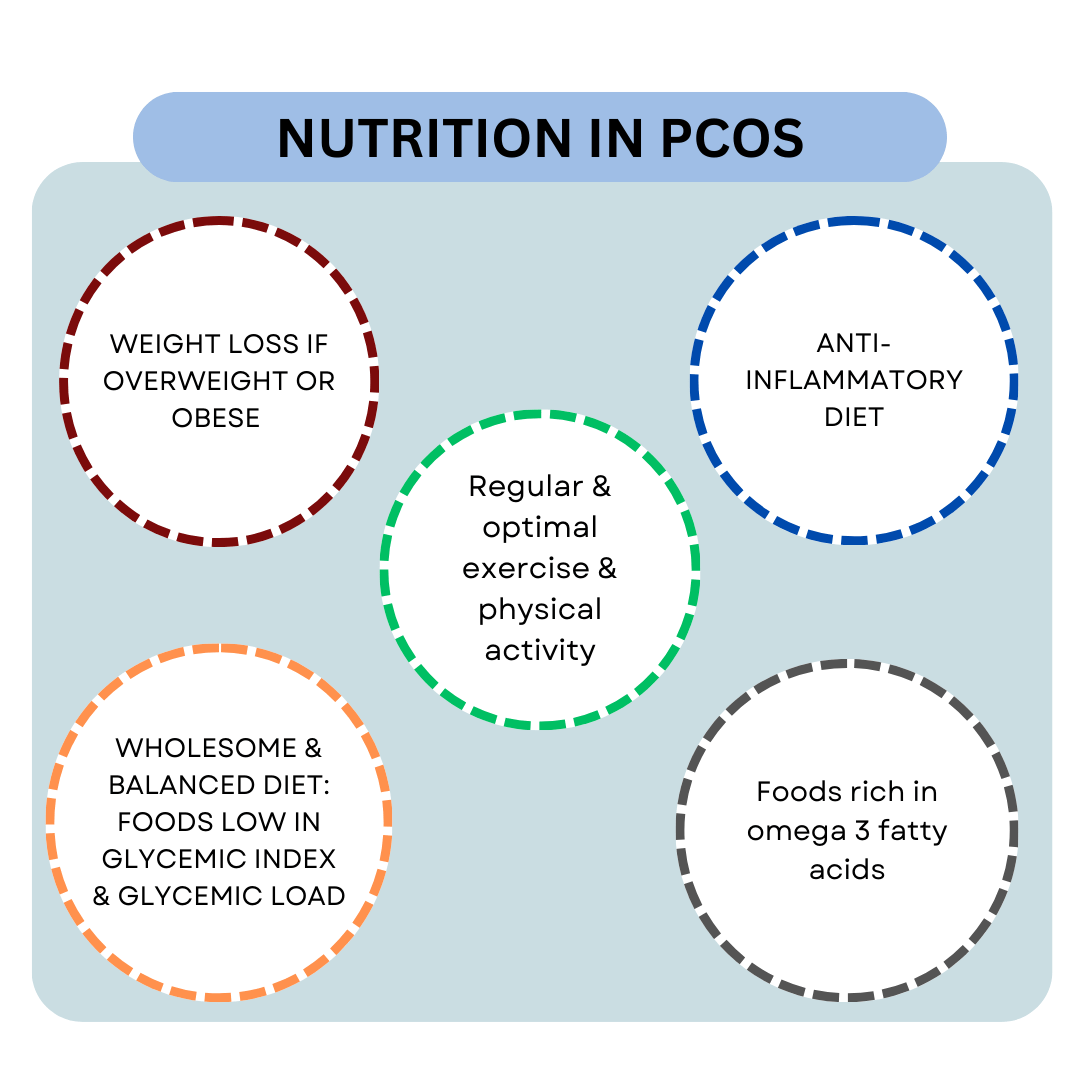
The first-line therapy for PCOS is a diet and lifestyle makeover with the primary goal of improving the body’s sensitivity to insulin. The following diet is beneficial in case of PCOS:
- A low Glycemic index (GI) diet- whole grains, pulses, legumes, nuts, seeds, fruits, starchy vegetables, chicken, fish, egg, and other unprocessed low-carbohydrate foods.
- An anti-inflammatory diet- berries, fatty fish, nuts, seeds, leafy greens, and extra virgin olive oil, spices such as turmeric, cinnamon
Foods to avoid:
- Refined carbohydrates, such as mass-produced pastries, muffins, white bread, anything made out of refined flour, chips, semolina.
- Fried & oily food, such as fast food.
- Sugary beverages, such as sodas and energy drinks, sucrose, dextrose, high fructose corn syrup, fruit juices.
- Milk & products.
- Processed meats, such as hot dogs, sausages.
- Solid fats, including margarine, shortening, and lard.
- Excess red meat, such as steaks, mutton, pork.
Ways to manage PCOS
- Eat a balanced nutrition focusing on small frequent meals.
- Drink adequate fluid, unsweetened & low fat fluid.
- Lose weight if you are overweight or obese.
- Be more active and involve in exercise daily.
- Get adequate & sound sleep.
- Manage stress with technique like yoga, meditation, journal writing, or sticking to hobbies.
Important vitamins & minerals beneficial in PCOS
B group vitamins- B6, B12 & Folic acid: There is a positive correlation between insulin resistance & elevated homocysteine level. Homocysteine is associated with an increased risk for cardiovascular & reproductive symptoms in PCOS. B6, B12 & folic acid have a significant role in homocysteine regulation. Also, regular physical exercise also plays a role to reduce plasma homocysteine level.
Vitamin B6 is found in poultry, fish, peanuts, soy beans, oats, banana, wheatgerm.
Vitamin B12 is found in meat, fish, egg, fermented food.
Folic acid is found in broccoli, brussels sprouts, leafy greens like cabbage, kale, spring greens & spinach, peas, chick peas & kidney beans.
Inositol: It is a sugar alcohol naturally present in cantaloupe, citrus fruit, and many fiber-rich foods such as beans, brown rice, corn, sesame seeds, and wheat bran. It influences the insulin response (improves insulin sensitivity) & several hormones associated with mood & cognition, recovery of reproductive abnormalities, decreases androgen level & improves lipid profile.
Vitamin D: Vitamin D has a role in inhibiting inflammatory progress in pathogenesis of PCOS. Adequate vitamin D is associated with beneficial effect on Insulin resistance. Sources of vitamin D includes sunlight, egg yolk, oily fish such as salmon, herring, sardines, mackerel.
Calcium: Calcium is associated with insulin resistance as insulin signaling pathway is calcium dependent. It is also involved in egg activity, oocyte maturation, progression of follicular development, and regulation of cell division in mammalian oocytes. Sources of calcium includes milk, cheese, green leafy vegetables- okra, spinach, fish bone- sardine
Adequate intake calcium along with vitamin D & lifestyle modification can help reduce BMI and improve PCOS.
Other important minerals that improves insulin sensitivity in PCOS includes chromium (broccoli, potatoes, green beans, whole grains, poultry, apple, banana, grape juice, milk), selenium (tuna, oysters, chicken, mushroom, tofu) & zinc (meat, seafood, beans, nuts, whole grains).