
Nutrition in PCOS : Causes, Symptoms, and Management
What is Polycystic Ovarian Syndrome (PCOS)?
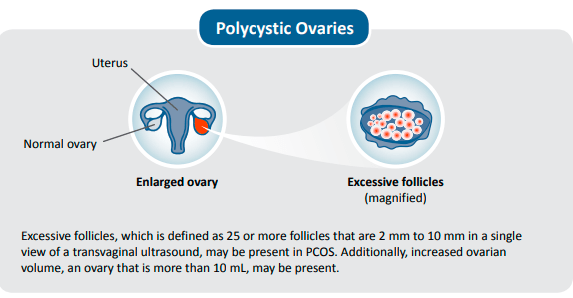
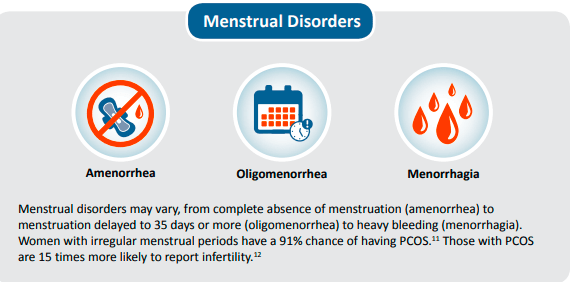
Polycystic Ovarian Syndrome, often abbreviated as PCOS, is a complex hormonal disorder that primarily affects women of reproductive age. This condition is characterized by a range of symptoms associated with hormonal imbalances, including irregular menstrual cycles, excess androgen levels, and polycystic ovaries. Despite extensive research, the exact cause of PCOS remains unclear, but it is generally believed that both genetic and lifestyle factors play significant roles in its development.
A family history of PCOS can indicate a hereditary component, suggesting that genetics may be a key factor in the condition. Women who have relatives with PCOS are at a higher risk of developing the disorder themselves. Alongside genetic predisposition, lifestyle factors such as diet, physical activity, and overall health are crucial in influencing both the onset and management of PCOS. For instance, a diet high in refined carbohydrates can exacerbate insulin resistance, a common feature of PCOS.
Insulin resistance occurs when the body's cells become less responsive to insulin, leading to higher levels of insulin in the bloodstream. This can aggravate symptoms of PCOS and contribute to the development of other health issues such as type 2 diabetes. Managing insulin resistance through lifestyle changes, such as adopting a balanced diet and increasing physical activity, is essential for controlling PCOS symptoms.
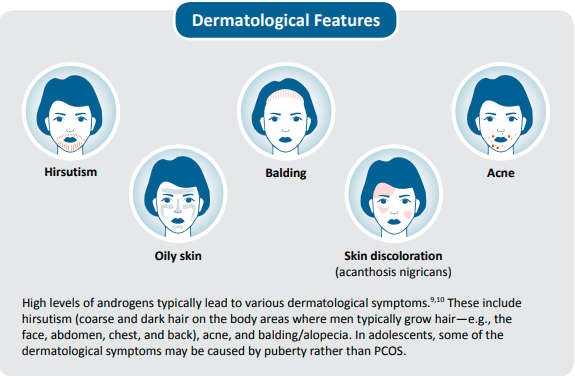
In addition to insulin resistance, other risk factors associated with PCOS include obesity, chronic inflammation, and stress. Obesity can worsen insulin resistance and contribute to higher levels of androgens, which can lead to symptoms like acne and excessive hair growth. Chronic inflammation and stress can further disrupt hormonal balance and exacerbate the condition.
Environmental factors also play a role in PCOS. Exposure to endocrine-disrupting chemicals, found in everyday products such as plastic bottles, metal can liners, detergents, and certain cosmetics, may interfere with hormonal function and increase the risk of developing PCOS. Reducing exposure to these chemicals and making informed choices about products can be beneficial for managing the condition.
Addressing these various risk factors through comprehensive lifestyle changes is crucial for effective management of PCOS. By improving diet, increasing physical activity, and minimizing exposure to harmful chemicals, women can better manage their symptoms and enhance their overall health.
Symptoms of PCOS / PCOD
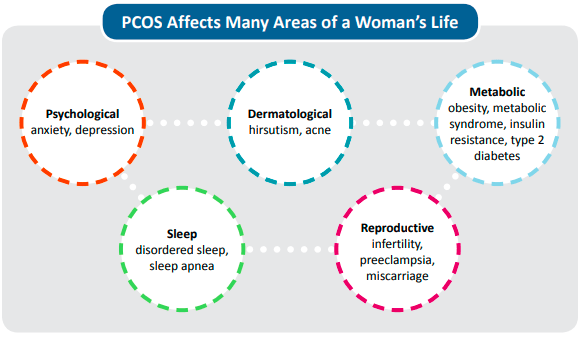
Health implications
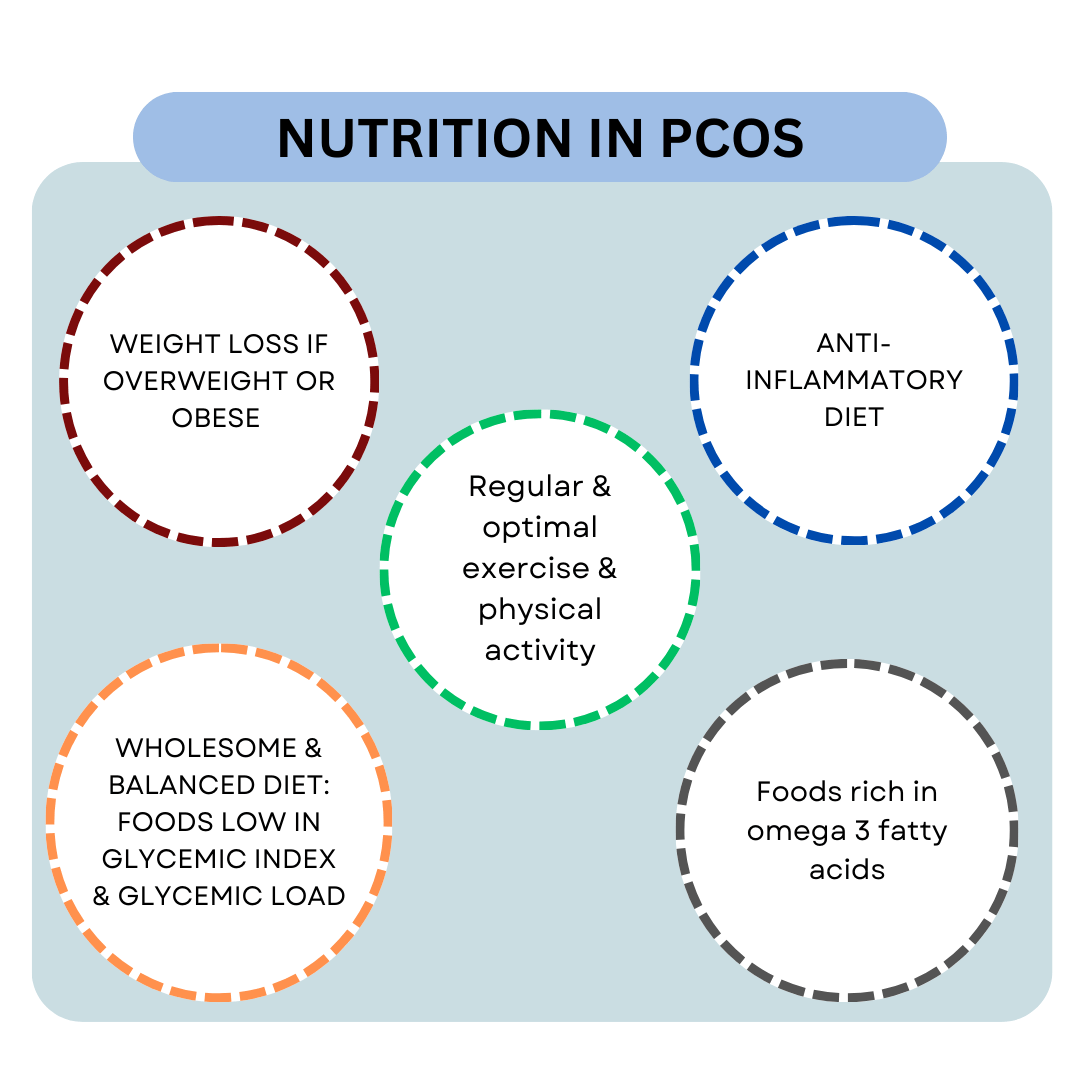
Nutrition in PCOS
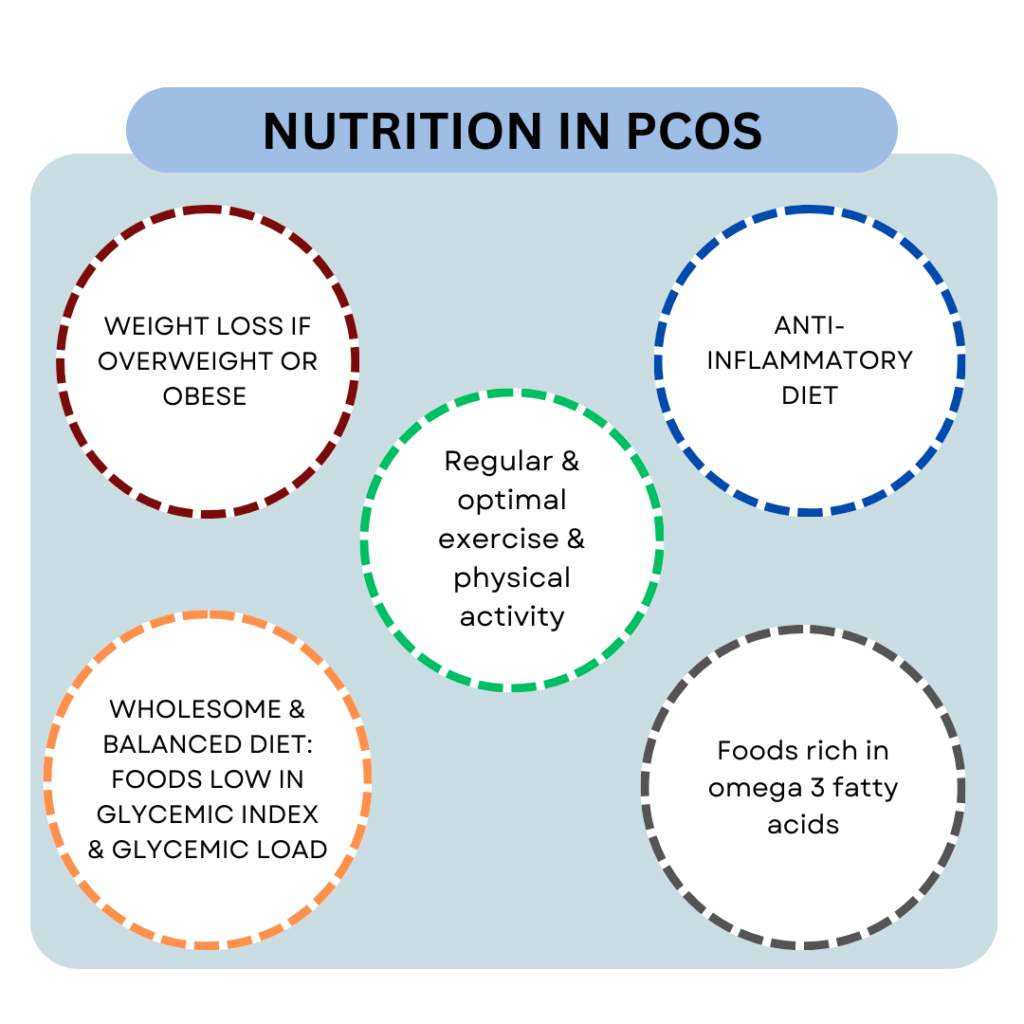
PCOS is a complex hormonal and metabolic disorder that is currently incurable. However, improving lifestyle factors, such as maintaining a proper diet and engaging in regular exercise, can significantly help minimize the risk factors and symptoms associated with PCOS.
If you're seeking personalized advice on managing PCOS/PCOD through diet, Nutrivive Nepal is here to help. We specialize in providing tailored consultations and diet plans specifically designed for PCOS/PCOD. Our expertise will assist you in creating a diet plan that aligns with your health goals and supports effective management of your condition.
We’re dedicated to providing you with the personalized support and guidance you need to achieve better health outcomes related to PCOS/PCOD.